
How PRP Impacts Hair Transplant Results
PRP is thought to improve transplant results by increasing survival of transplanted follicles and by keeping the native follicles surrounding the transplants healthy.
Native Follicles
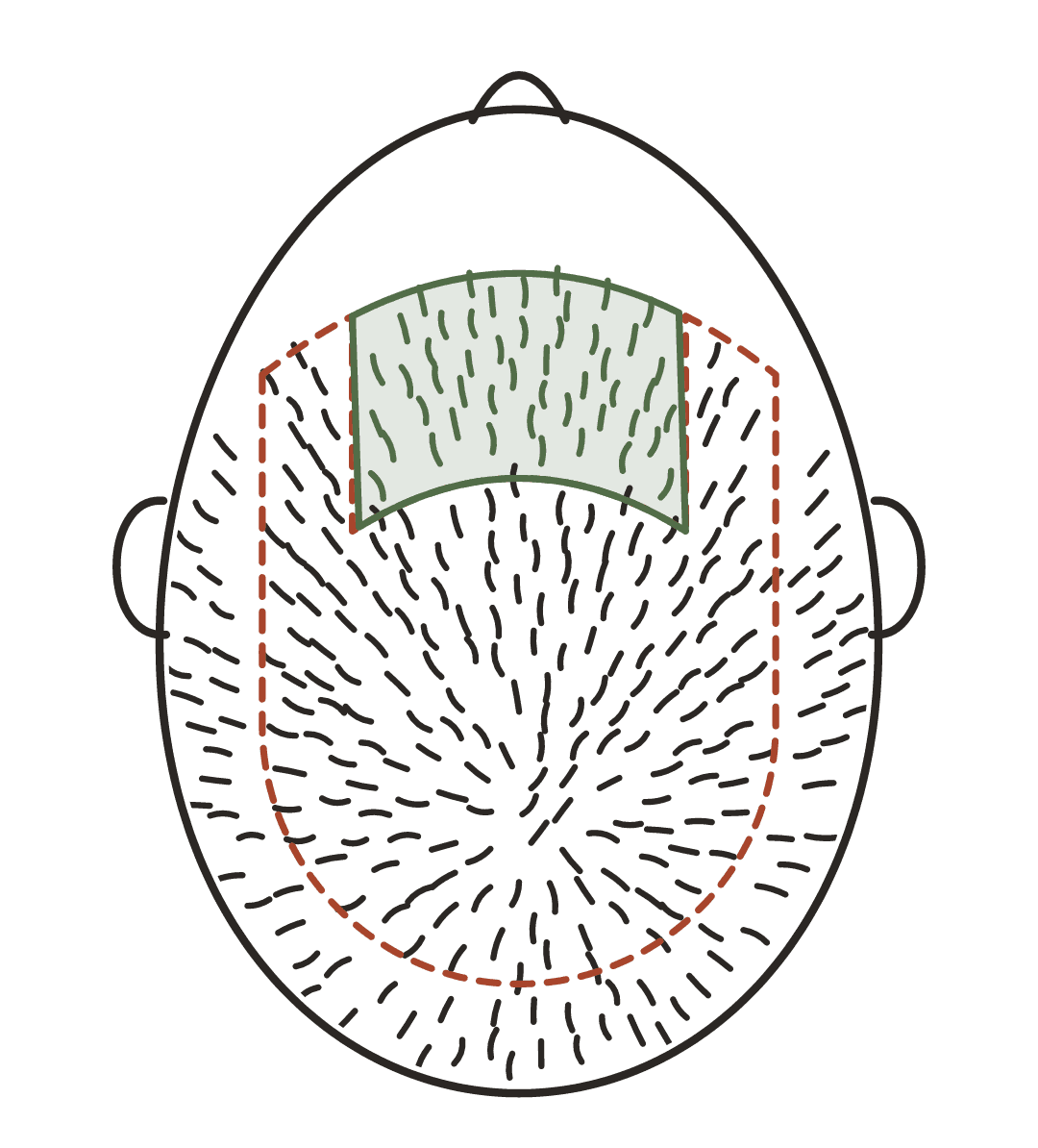
The main reason transplant results can degrade over time is that transplant surgery adds DHT-resistant follicles to areas that are thinning, but the native follicles in that same area are still vulnerable to thinning because they are not DHT-resistant.
- Transplanted follicles are resistant to DHT (dihydrotestosterone, the hormone that causes thinning), and they keep that resistance even though they are moved from the back of the scalp to a new location
- Native follicles around the transplanted follicles are not resistant to DHT and are at continued risk of thinning with age. Over time, the area around the transplants can thin and result in uneven hair density
PRP can help protect those native follicles while they are still alive. It can also restore the size of a follicle that is miniaturizing (getting smaller) and reactivate a follicle that is dormant (asleep and not producing hair). Protecting those native follicles helps maintain your results for years to come.
Transplanted Follicles
PRP is thought to improve hair transplant results, which is why it is increasingly injected during the transplant procedure itself and many surgeons recommend continuing PRP after surgery.
Transplanted follicle survival rate is not 100% and surgeons do everything in their power to maximize that survival rate. Because the transplanted follicles are most vulnerable during and immediately after the transplant, a consistent approach across transplant protocols is to include the use of PRP in some shape or form to increase follicle survival rate.
This takes the form of injections before, during, and after surgery. Some surgeons even bathe the follicular units in PRP before grafting them. Several studies have shown that graft survival rate is higher when using those techniques.
While there is speculation PRP may also help transplanted hair grow faster, there is minimal research, so it is difficult to make any confident recommendations.